
The Best Steak in Sydney: How to Judge a Steakhouse Before You Book
Sydney has more steakhouses than you could possibly get through in a year, and the gap between the best and the mediocre is sizeable. Two restaurants can both call themselves the best steak in Sydney, charge the same $65 for a scotch fillet, and deliver completely different nights out. It can be hard to tell one that offers dry-ageing, a butcher who knows the cattle by name, and a grill cook who plates up a perfect medium-rare with one that is reheating a frozen cryovac cut just by looking at the menu.
This guide sets out exactly what those details are, so you can judge a Sydney steakhouse by the most important criteria and book with confidence.
What To Look For
Beef grade is disclosed. The best Sydney steakhouses will name the MSA star rating, breed or feed type on the menu, not just "premium beef."
Ageing method and duration are stated. Thirty-plus days of dry-ageing signals real investment.
Cut variety goes beyond the safe three. Tomahawk, bavette, rump cap and eye fillet, sitting alongside scotch fillet, show a kitchen that understands the whole animal.
Doneness is cooked to spec, every time. Ask for medium-rare, and you should get medium-rare, with a probe or a confident cut-and-check to prove it.
Sides, wine and room match the beef. A $90 steak next to a limp side salad and a three-wine list is a kitchen that stopped trying after the protein.
Check the Beef Grade Before You Order
The single biggest driver of eating quality in Australian beef is the Meat Standards Australia (MSA) grading system, and it's the fastest way to separate a serious Sydney steakhouse from one riding on ambience alone. MSA grading weighs factors including breed content, carcase maturity, marbling, rib fat, and pH and temperature at slaughter, all feeding into a star rating of MSA 3, 4 or 5.
A menu that simply says "premium Angus" is telling you almost nothing. A menu that says "MSA 4+, Riverina grain-fed" or names the specific station the cattle came from is telling you the kitchen has done its homework. If the waitstaff can't tell you the grade or the feed program when you ask, that's worth noting.
Ask How the Steak Was Aged, and For How Long
Ageing is where a good cut becomes a memorable one. As muscle fibres are slowly broken down by naturally occurring enzymes, aged beef becomes more tender, even though the meat's appearance barely changes.
Wet-ageing in vacuum bags is common and perfectly fine for everyday cuts. Dry-ageing is the more demanding, more expensive process. At 500 Degrees, the signature tomahawk steak is dry-aged in-house for 30 to 45 days before it reaches the grill, which is long enough to build real depth of flavour.
Look for Cut Variety, Not Just the Safe Three
Scotch fillet, eye fillet and rump will always sell, and there's nothing wrong with a menu that leads with them. But a kitchen that only offers those three cuts is playing it safe rather than showing off what a whole carcase can do.
The best steak in Sydney tends to come from menus that also carry a tomahawk for sharing, a bavette or flank for people who want more chew and more flavour, and something unexpected, such as kangaroo loin, a spinalis cap, or a proper sharing platter across cuts.
Test Their Cook Control
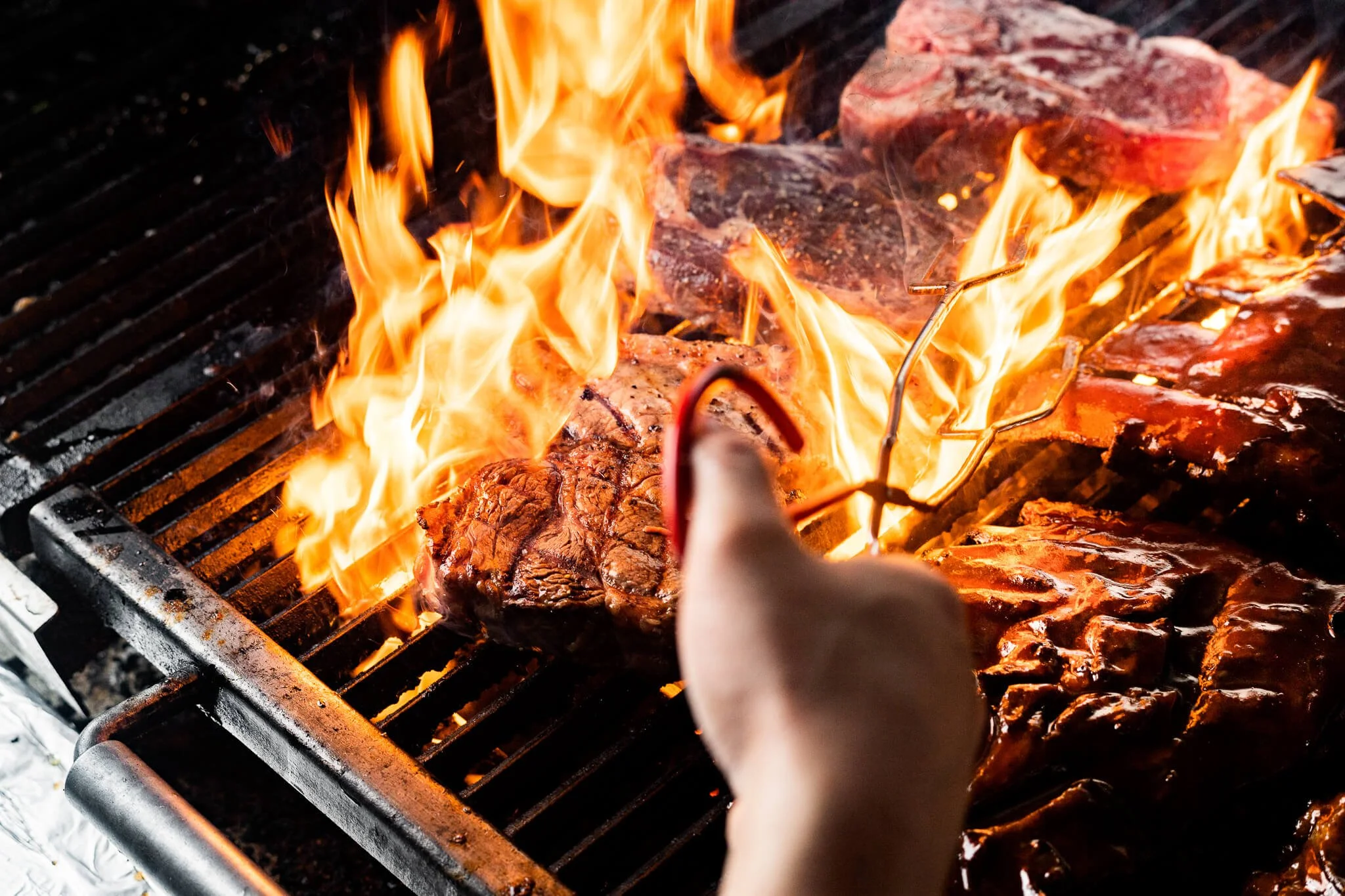
Ordering medium-rare and getting medium is the most common failure point in Sydney steak dining, and it has nothing to do with the beef's quality. Cook control comes down to a kitchen's consistency: a calibrated grill, a chef who checks internal temperature rather than guessing by touch, and a pass-through system that doesn't let a steak sit under a heat lamp for ten minutes before it reaches the table.
A reliable steakhouse will rest the steak properly before it lands in front of you, so the juices settle rather than run out the moment you cut in.
Judge the Sides As Closely As the Steak
A $95 tomahawk next to a bowl of frozen chips and a wilted side salad tells you the kitchen's attention stopped at the grill. The best Sydney steakhouses treat sides as a real part of the meal, because a serious kitchen doesn't coast once the expensive item is on the plate.
Sauces matter too. A steak that needs to be drowned in sauce to taste like anything usually means the beef itself wasn't doing much work. The better test is a kitchen that offers a choice of finishing salts or a light jus, so the beef stays the point of the dish.
Check the Wine List Matches the Meat
Steak and wine is one of the most forgiving pairings in food, which is exactly why a lazy wine list is such a giveaway. If a restaurant is charging steakhouse prices but the wine list is three shirazes and a house white by the glass, it hasn't thought through the whole meal.
Look for a list with depth in reds that suit grilled beef (shiraz, cabernet sauvignon, a solid Rhône-style blend) and staff who can make recommendations rather than pointing to the most expensive bottle. A sommelier or a wine-literate manager is a strong signal that the kitchen's standards extend to the rest of the table.
Read the Room's Atmosphere
Atmosphere is the most subjective criterion here, but it isn't just decoration. A Sydney steakhouse built for a special occasion should feel considered: spacing between tables that allows a real conversation, lighting that suits an evening rather than a food court, and a booking system that doesn't rush a table that's paid for a proper night out.
Group and function capability matters too if you're planning something bigger than a table for two. Venues built around private dining or a mezzanine floor, like the venue hire Parramatta location at 500 Degrees, show a business that's set up for celebrations rather than squeezing extra covers into a standard floor plan on the night.
Where to Find the Best Steak in Sydney
Run any Sydney steakhouse through the criteria above, and the gaps show up fast. 500 Degrees was built around exactly this checklist: real fire, real ageing, and three rooms, each bringing something different to the table. It's also set up as a proper bar and grill Sydney diners can drop into for drinks alone.
Cronulla sits a short walk from the beach and runs the same open-flame chargrill as every other location, with sustainably caught seafood alongside the steak list for a table that isn't all-in on beef.
Kogarah is the bayside room, with a spacious outdoor deck for a longer, more relaxed sitting. It's the pick when the occasion calls for settling in rather than watching the clock.
Parramatta carries a private upstairs mezzanine, making it the natural choice for a bigger celebration or a corporate booking that needs its own space without leaving the main dining room.
Every location shares the same tomahawk, dry-aged 30 to 45 days and cut to 1.5kg for sharing, the same in-house butchery, and the same three-salt finish at the table, so the beef stays the focus rather than the sauce. For a lower-stakes way to test the kitchen before committing to a big night, the steak lunch specials run midweek across all three venues.
Book With the Criteria in Mind
Reading a menu with this checklist in hand takes the guesswork out of choosing where to eat. If dry-ageing, real cut variety and consistent cook control are what you're after, book a table at 500 Degrees across Cronulla, Kogarah or Parramatta and see the criteria in action rather than just on the page.
FAQs
What makes a good steak?
A good steak comes down to grade, ageing and cook execution working together. MSA grading accounts for marbling, maturity, pH, and rib fat to predict eating quality, but even a well-graded cut needs proper ageing and a kitchen that consistently hits the requested doneness to actually deliver on that promise.
What's the best cut for beginners?
Scotch fillet (ribeye) is the safest starting point, since its marbling makes it forgiving if it's cooked slightly past your order. Eye fillet is leaner and more delicate in flavour, while a tomahawk or bavette suits diners who already prefer more texture and a stronger beef flavour.
How much should a good Sydney steak cost?
Pricing varies with cut and venue, but a well-graded, properly aged steak at a Sydney steakhouse typically sits well above pub-steak pricing, reflecting the ageing time, portioning and butchery behind it. Tomahawks and other sharing cuts are priced per kilo rather than per plate, so ask before ordering if the menu doesn't list it clearly.